Warning Signs of Bad Wiring You Should Not Ignore
Wiring problems usually announce themselves before they become emergencies, if you know what to look, listen and smell for.
October 13, 2026 · 4 min read
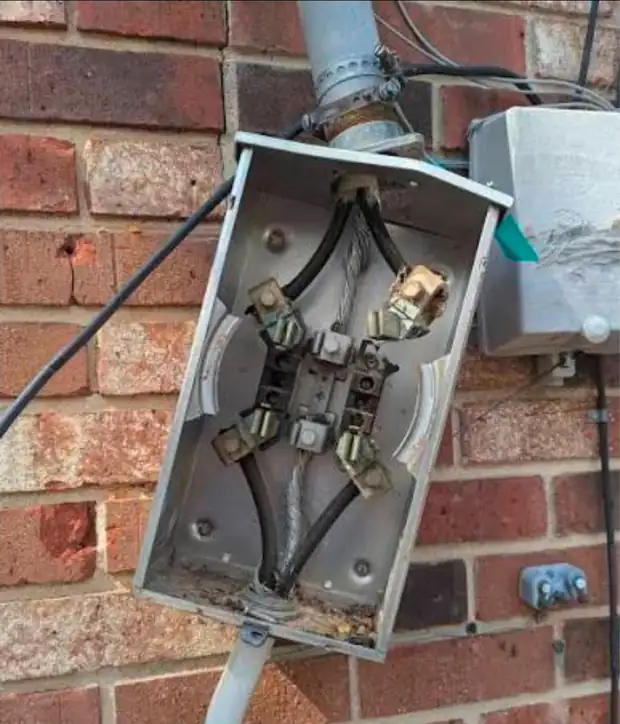
Most of your home's wiring is hidden. It runs inside walls, above ceilings and under floors, and you never think about it until something goes wrong. The good news is that bad wiring rarely fails without any warning. It usually gives you signs first, and those signs are easy to dismiss because they seem small. A funny smell. A faint buzz. An outlet that feels warm.
Our FAQ names six signs that point to a wiring problem: burning smells, buzzing noises, hot outlets, discolored switch plates, sparking and flickering lights. Here is what each one can mean, what to do when you notice it, and what a professional inspection looks at.
The six warning signs
1. Burning smells
If something smells like burning plastic or scorched material and you cannot find a source in the kitchen, treat it as serious. Overheated insulation and failing connections often have a distinct odor before there is any visible damage. Turn off the breaker for that area if you can do so safely, and call.
2. Buzzing noises
Electrical systems should be quiet. A buzz or hum from an outlet, a switch, a dimmer or the panel can mean a loose connection that is arcing, a device that is failing or a circuit that is carrying too much. Some dimmers hum a little, but a new or growing buzz is worth having checked.
3. Hot outlets
An outlet or a plug that feels hot is a problem. A warm charger brick is normal. A warm wall plate is not. Heat at an outlet often points to a loose wire, a worn device or too much load on the circuit. That heat can damage the outlet and the wire behind it over time. Stop using that outlet until it has been looked at.
4. Discolored switch plates
Brown or yellow marks around a switch or outlet cover are a sign that heat has been present, even if you never felt anything. If you see it, there is a reason for the heat behind that plate.
5. Sparking
A small spark when you plug something in can happen, but visible sparking from an outlet, a switch or a plug, especially repeated or with a popping sound, means something is wrong. Loose, sparking or non-functioning outlets create safety hazards in your home. Do not keep using one that sparks.
6. Flickering lights
Lights that flicker may be caused by loose connections, circuit overloads, worn switches or problems with the electrical service itself. If one bulb flickers, try a new bulb first. If lights flicker on a whole circuit, dim when an appliance starts, or flicker throughout the house, the cause is not the bulb.
What to do when you notice a sign
- Stop using the outlet, switch or appliance involved.
- If you can do it safely, turn off the breaker for that circuit. Do not open the panel or touch anything that looks damaged.
- If you see flames or smoke, get everyone out and call 911 first.
- Write down what you noticed, where it was and when it started. That detail helps the electrician find the problem faster.
- Call a licensed electrician. Do not wait for the sign to get worse.
It is tempting to wait and see, especially if the sign comes and goes. An intermittent problem is often a loose connection, and loose connections tend to get worse as the metal heats and cools over time.
What a home electrical inspection checks
If any of those signs sound familiar, or if you have simply bought an older home and want to know what you are living with, an electrical inspection is the way to find out. Ours evaluates the entire system from the service panel to individual outlets and fixtures. Here is what that covers:
- The service panel, including its condition, its connections and whether the breakers are the right fit
- Outlets and switches, including loose, worn or heat-damaged devices
- Wiring, looking for outdated, damaged or unsafe conditions
- Grounding, which gives fault current a safe path to go
- GFCI protection in wet areas such as kitchens, bathrooms, garages and outdoors
- Smoke detector functionality and other safety components
The goal is to identify code violations, outdated wiring and potential fire hazards, and then give you clear recommendations for the repairs or upgrades that are needed. You should come away knowing what is urgent, what can wait and what is fine as it is.
Why regular inspections matter
Regular electrical inspections help identify potential hazards before they become serious problems. That is especially true in older homes, in properties that have been added to over the years and in buildings that have never had a close look since they were built.
One more point worth making. A good electrician should not be trying to find extra work. They should tell you the truth about what they found, even when that truth is that everything looks fine. That is how we approach it: honest recommendations, clear explanations and no pressure.
If you have noticed any of these warning signs in your Athens-area home, our Home Electrical Inspections and Wiring Repair services are built for exactly this. Justin Zimmerman, the owner and a master electrician, personally does the work, and repairs carry a five-year labor warranty. Seniors and first responders receive a discount. Call (903) 218-3632, day or night, and describe what you have noticed.
GO 2 Electrical Service LLC, (903) 218-3632
Call (903) 218-3632More articles
Why Your Breaker Keeps Tripping (and Why Resetting It Again Is the Wrong Fix)
A breaker that trips once is doing its job, and one that trips repeatedly is telling you to find out why.
Standby Generators for Homes Outside Town: What Goes Into a Safe Install
A standby generator is only as good as the planning behind it, and most of that planning happens before the machine ever arrives.